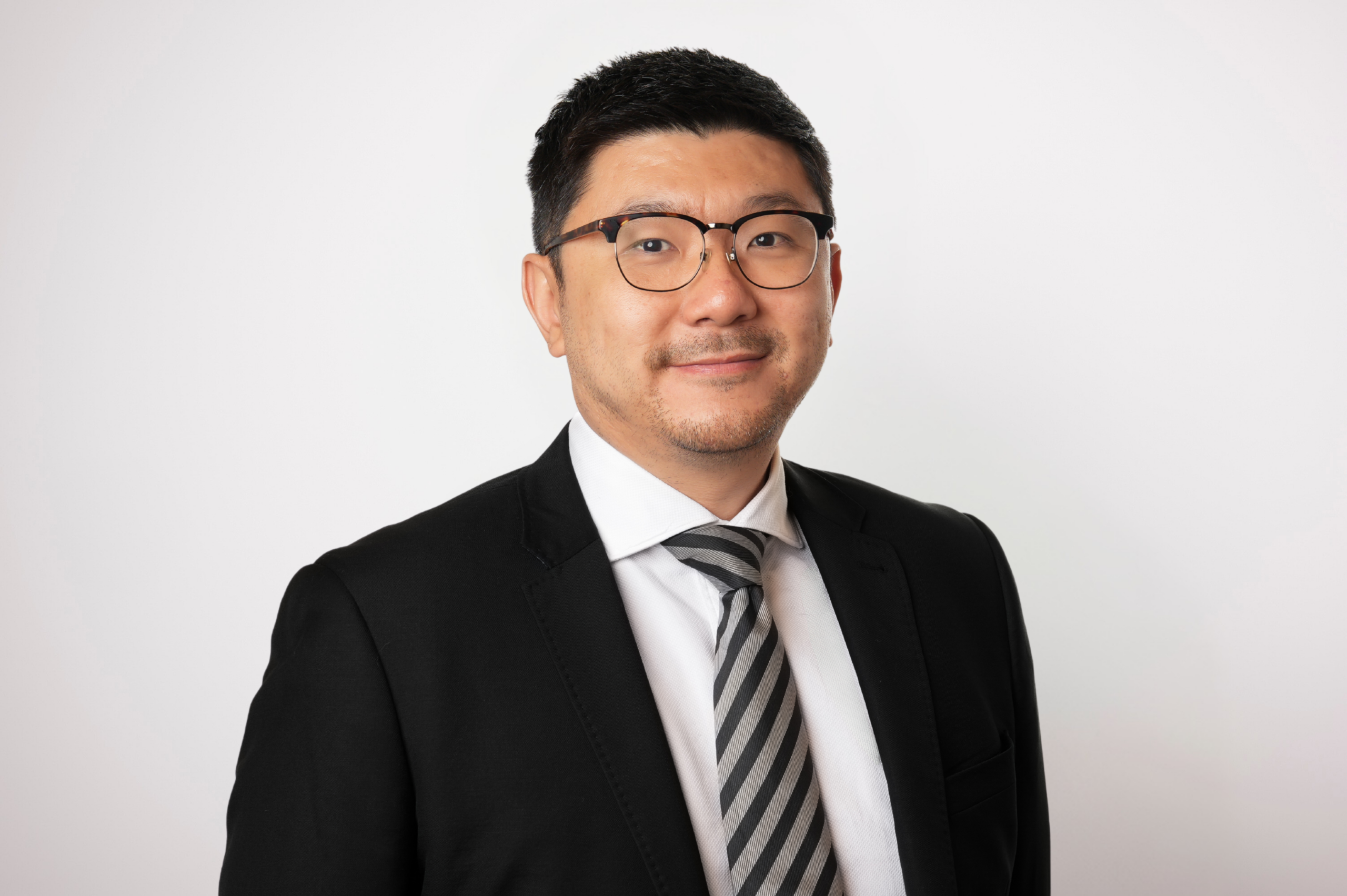
Matthew Renwick
Principal
In the early hours of 8 December 2019, on a rural property at St Mary near Tiaro in Queensland, Benjamin Freear (the deceased) moved between properties armed with a .303 rifle, firing at neighbours, vehicles and buildings, and telling others he expected to die.
Police received a stream of triple‑zero calls with reports he assaulted his partner, threatened others and discharged multiple rounds from his firearm. By dawn, Queensland Police’s Special Emergency Response Team had been deployed. After a prolonged confrontation involving repeated exchanges of gunfire, the deceased drove towards officers with the rifle pointed out the window. He was shot and died at the scene despite immediate medical attention.
Stepping back from the events of that morning, the inquest examined the years leading up to it, including the deceased’s long struggle with concentration, agitation and mood instability. In 2018 he was assessed by a treating psychiatrist and diagnosed with adult ADHD. Dexamphetamine was prescribed, and the deceased reported clearer thinking and better organisation with its use. Dispensing records show regular supply across several pharmacies, while his broader clinical picture remained complicated by anxiety, chronic pain and intermittent alcohol misuse.
As stimulant treatment continued, concerns grew about whether the medication was being used safely. The deceased told clinicians he sometimes exceeded the prescribed dose. Pharmacy records also showed incidents of early dispensing, suggesting he was dosing in excess of the prescribed amount. His mother contacted his general practitioner with concerns about deteriorating sleep, erratic behaviour and what she believed was overuse of Dexamphetamine. The general practitioner attempted to recall him urgently and arranged specialist review, but the deceased missed appointments and did not re‑engage with psychiatric treatment.
Although the inquest arose from unusual and confronting facts, its significance is broader than the circumstances of the death. The investigation brings into focus the pressures faced by rural and regional general practitioners, particularly where patients require specialist mental health input that is difficult to obtain. Against that background, the central issue was not simply whether individual clinicians acted appropriately, but how the limits of general practice should be understood when rural doctors are required to manage complex conditions without access to timely specialist support.
At inquest, many issues were considered, but the crux of the investigations in respect of the general practitioner were the care of the deceased’s mental health and the prescription of Dexamphetamine.
An expert pharmacologist and toxicologist noted at [160]:
Dexamphetamine is generally regarded as a relatively safe and effective drug for the treatment of ADHD, but “a person’s mental state can affect their response, let alone the circumstance he finds himself in”
An expert psychiatrist noted the general practitioner tried to arrange psychiatric review after concerns were raised. The expert noted that once a general practitioner takes over ADHD treatment, annual specialist review is recommended to confirm the diagnosis and review care, with more frequent review if there are complications. This expectation is difficult to meet in rural settings, where access to specialist psychiatric care is limited and often delayed. Appointments may be unavailable for extended periods, and public services are largely focused on acute cases, rather than the review of chronic conditions. As a result, general practitioners may need to continue managing patients without timely specialist input, including maintaining treatment and monitoring progress in the absence of regular review. The expert noted at [231]:
In rural areas and the public system this is far more difficult – public psychiatry services are essentially built around emergency medicine and structures are not built to manage conditions like ADHD.
Evidence given at the inquest by the deceased’s general practitioner was that dexamphetamine could not be stopped abruptly without specialist input due to the risk of physical and psychiatric side effects. The evidence also placed the deceased’s presentation in context, including his worsening pain, ongoing anxiety, and the absence of acute mental health concerns at his final appointment.[1] These findings linked the clinical decisions in his care to the broader issue considered by the inquest, being the extent of a rural general practitioner’s role where specialist care is difficult to access but the patient’s needs must still be managed.
The general practitioner gave evidence that rural practices meant limited access to specialists, travel, and telehealth, and made it harder to build patient trust.[2]
The general practitioner prescribed Dexamphetamine as a continuation with PBS authority. The introduction of QScript has since strengthened safeguards and would likely prevent early repeat dispensing of the kind that occurred twice in this case. She made efforts to refer the deceased to specialist care, but he did not attend due to factors outside her control, including financial issues, travel difficulties, and his own treatment priorities.
Against that background, the Coroner’s findings recognise that clinical decision-making in a rural setting cannot be assessed in isolation from the practical constraints in which that care is delivered. The mental health care provided to the deceased from 2018 onwards was ultimately found to be clinically appropriate, and the doctors involved were not criticised. In particular, the decision to prescribe and to continue prescribing Dexamphetamine was accepted as clinically appropriate because it involved an ongoing assessment of the risks of the medication against the benefits the deceased was experiencing from it.
General practitioners located in rural areas are often left managing complex conditions near the limits of their scope of practice. Whilst many urban and metropolitan located doctors have greater access to specialist care, this is not the case for practitioners in rural and regional Australia. Specialist care in these circumstances is often either too difficult for patients to access or just not a viable option.
The findings highlight that in rural practice, a general practitioner’s role may extend beyond what would usually be expected in other settings. It does not remove the need to follow regulatory requirements or involve specialists. However, it recognises that rural doctors may need to manage risk for longer, monitor patients more closely, and make difficult interim decisions when the alternative is to leave the patient without effective care at all.
[1] [247]
[2] [237] – [243]
Ren Li, Senior Associate
Jemillah Hughes, Law Graduate
The High Court has handed down an important decision on the assessment of future care damages in catastrophic injury claims, with potentially significant implications for insurers and defendants.
Two recent decisions of the New South Wales Court of Appeal consider how obvious risk and contributory negligence operate in practice under the Civil Liability Act 2002 (NSW).